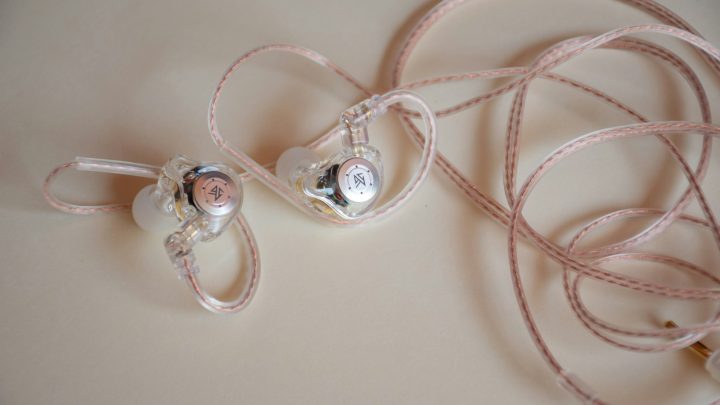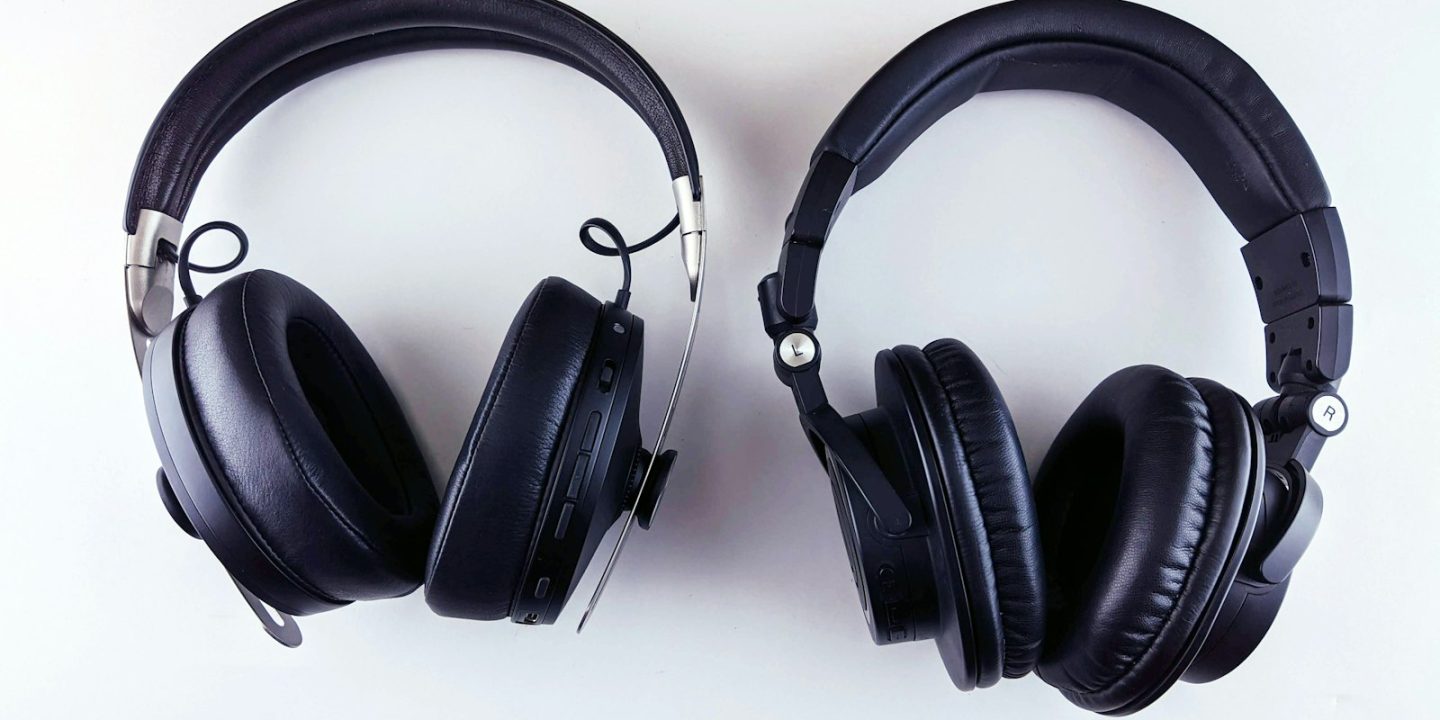
Studio headphones have a different job from the wireless headphones you wear on the train. Instead of flattering your music with extra bass and noise cancelling, they aim to tell you the truth about a recording — so that the mix you make on them sounds right on car stereos, earbuds and club systems. They’re also the most important tool for recording: when a singer or guitarist tracks, closed-back headphones stop the click track leaking into the microphone.
Below are the studio headphones that reviewers and producers most consistently recommend, from budget workhorses to open-back reference models. We cover both types — closed-back for recording, open-back for mixing — and explain which one you need. Prices for studio gear are fairly stable, but deals come and go, so check the current offer.
Our picks at a glance
- Best overallBeyerdynamic DT 770 PRO (80 Ω)
- Best for mixingSennheiser HD 600
- Most comfortable for long sessionsSennheiser HD 650
- Best value closed-backAKG K371
- Most versatileAudio-Technica ATH-M50x
- Best budgetSony MDR-7506
- Best open-back on a budgetBeyerdynamic DT 990 PRO
Prices are approximate and change often. Ad
1. Beyerdynamic DT 770 PRO (80 Ω) — best overall
Made in Germany and found in countless studios, the DT 770 PRO is the safest recommendation for a first pair of studio headphones. Its closed-back design isolates well, so you can wear it while recording vocals without bleed, and the soft velour pads are comfortable for hours. Reviewers praise its punchy, detailed low end and crisp treble — though that treble is a touch elevated.
Choose the 80-ohm version for most home studios: it’s easy to drive from a laptop or an entry-level interface. PC Games Hardware reported the 80-ohm model’s list price as €149, with Amazon.de dipping to around €125 during 2026. The only real downside is the fixed coiled cable, which can’t be replaced if it fails — although Beyerdynamic does sell spare parts.
Beyerdynamic DT 770 PRO (80 Ω)
The home-studio classic: comfortable, closed-back and well isolated, so it works for recording takes as well as long editing sessions.
- Design
- Closed-back, over-ear
- Impedance
- 80 Ω (also 32/250 Ω versions)
- Frequency range
- 5 Hz – 35 kHz
- Cable
- Fixed (coiled)
Pros
- Very comfortable velour pads
- Good isolation for tracking
- Built to last, spare parts available
Cons
- Cable isn't detachable
- Treble is slightly elevated
2. Sennheiser HD 600 — best for mixing
The HD 600 is the reference that many engineers check their mixes on. Its open-back design creates a natural, speaker-like sense of space, and its flat, analytical tuning reveals flaws — harsh frequencies, muddy low-mids, sibilant vocals — that consumer headphones hide. Dubspot’s 2026 roundup ranks it top for mixing.
Two caveats. At 300 ohms it needs more power than a laptop’s headphone jack can provide, so pair it with a good interface or headphone amp. And because it’s open, it leaks sound in both directions: don’t use it for recording near a microphone.
Sennheiser HD 600
An open-back reference headphone known for a flat, revealing sound that exposes problems in a mix.
- Design
- Open-back, over-ear
- Impedance
- 300 Ω
- Cable
- Detachable
- Best with
- Headphone amp or good interface
Pros
- Neutral, revealing sound
- Excellent for mix decisions
- Replaceable parts
Cons
- Needs a decent amp
- Leaks sound — not for recording
- Bass is accurate rather than punchy
3. Sennheiser HD 650 — most comfortable for long sessions
The HD 650 shares the HD 600’s open design and 300-ohm drivers, but its treble is smoother and less bright. That makes it less fatiguing over a long mixing session, at the cost of a little analytical bite. Musician’s guides praise its neutral sound and good imaging; the bass is accurate rather than impactful, which is exactly what you want for mixing but may feel lean for casual listening.
Sennheiser HD 650
The HD 600's smoother-sounding sibling: open-back, less bright up top and very comfortable for hours of listening.
- Design
- Open-back, over-ear
- Impedance
- 300 Ω
- Sensitivity
- ~103 dB
- Cable
- Detachable
Pros
- Smooth, non-fatiguing treble
- Good imaging
- Comfortable
Cons
- Needs an amp
- No isolation, leaks sound
4. AKG K371 — best value closed-back
The K371 is a modern closed-back designed to track close to a neutral “target curve”. Reviewers say it offers excellent mix translation for its price, while its 32-ohm impedance makes it easy to drive from almost anything. It folds up for travel, making it a good choice for producers who work on a laptop in different places. The bass is slightly warm, and the build is practical rather than luxurious.
AKG K371
A foldable, easy-to-drive closed-back that tracks close to a neutral reference curve — great mix translation for the money.
- Design
- Closed-back, foldable
- Impedance
- 32 Ω
- Drivers
- 50 mm titanium-coated
- Sensitivity
- 114 dB SPL/V
Pros
- Close to neutral
- Easy to drive from a laptop or interface
- Folds for travel
Cons
- Slightly warm bass
- Build is practical rather than premium
5. Audio-Technica ATH-M50x — most versatile
The ATH-M50x has been a best-seller for years because it’s tough, portable and fun to listen to. It comes with three detachable cables, folds flat and isolates well. The tuning, however, is not strictly neutral: boosted bass and slightly recessed upper mids mean mixes made only on M50x can turn out bright on other systems. Great for tracking, DJ-ing and everyday listening; less ideal as your only mixing reference.
Audio-Technica ATH-M50x
A durable, portable closed-back with three detachable cables — equally happy in the studio, on the bus and DJ-ing.
- Design
- Closed-back, foldable
- Impedance
- 38 Ω
- Drivers
- 45 mm
- Cables
- 3 detachable
Pros
- Durable and portable
- Punchy bass
- Detachable cables
Cons
- Boosted bass and recessed upper mids
- Narrower soundstage
6. Sony MDR-7506 — best budget
A broadcast and studio staple for decades, the MDR-7506 is light, comfortable and detailed for the money. It’s a closed-back design, so it’s suitable for recording and for monitoring in noisy places. The coiled cable is fixed, and the top end can be a little bright, but few headphones offer this much reliability for the price.
Sony MDR-7506
A lightweight closed-back that has been a broadcast and studio staple for decades — detailed, affordable and tough.
- Design
- Closed-back, foldable
- Impedance
- 63 Ω
- Frequency range
- 10 Hz – 20 kHz
- Cable
- Fixed (coiled)
Pros
- Detailed sound
- Light and comfortable
- Great value
Cons
- Cable isn't detachable
- Bright top end
7. Beyerdynamic DT 990 PRO — best open-back on a budget
If you want the spacious sound of an open-back without HD 600 money, the DT 990 PRO is the classic choice. It’s comfortable and detailed with a wide soundstage. Reviewers do warn that its bright top end can exaggerate sibilance and cause fatigue — something to keep in mind when you EQ vocals. At 250 ohms it also benefits from a decent headphone output.
Beyerdynamic DT 990 PRO
The open-back sibling of the DT 770: airy, wide and detailed, at a budget-friendly price.
- Design
- Open-back, over-ear
- Impedance
- 250 Ω
- Frequency range
- 5 Hz – 35 kHz
- Cable
- Fixed
Pros
- Spacious, detailed sound
- Comfortable
- Affordable for an open-back
Cons
- Bright treble can be fatiguing
- No isolation
- Fixed cable
Compare the key specs
| Model | Beyerdynamic DT 770 PRO (80 Ω)Best overall | Sennheiser HD 600Best for mixing | Sennheiser HD 650Most comfortable for long sessions | AKG K371Best value closed-back | Audio-Technica ATH-M50xMost versatile | Sony MDR-7506Best budget | Beyerdynamic DT 990 PROBest open-back on a budget |
|---|---|---|---|---|---|---|---|
| TechHive score | 9.0/10 | 9.1/10 | 8.9/10 | 8.7/10 | 8.3/10 | 8.2/10 | 8.1/10 |
| Approx. price | €149 | Varies | Varies | Varies | Varies | Varies | Varies |
| Design | Closed-back, over-ear | Open-back, over-ear | Open-back, over-ear | Closed-back, foldable | Closed-back, foldable | Closed-back, foldable | Open-back, over-ear |
| Impedance | 80 Ω (also 32/250 Ω versions) | 300 Ω | 300 Ω | 32 Ω | 38 Ω | 63 Ω | 250 Ω |
| Frequency range | 5 Hz – 35 kHz | — | — | — | — | 10 Hz – 20 kHz | 5 Hz – 35 kHz |
| Cable | Fixed (coiled) | Detachable | Detachable | — | — | Fixed (coiled) | Fixed |
| Best with | — | Headphone amp or good interface | — | — | — | — | — |
| Sensitivity | — | — | ~103 dB | 114 dB SPL/V | — | — | — |
| Drivers | — | — | — | 50 mm titanium-coated | 45 mm | — | — |
| Cables | — | — | — | — | 3 detachable | — | — |
| Shop Ad | Amazon | Amazon | Amazon | Amazon | Amazon | Amazon | Amazon |
How to choose studio headphones
Closed-back for recording, open-back for mixing
Closed-back headphones (DT 770 PRO, K371, M50x, MDR-7506) seal around your ears, so sound doesn’t leak into microphones and outside noise stays out. Use them for tracking vocals and instruments. Open-back headphones (HD 600, HD 650, DT 990 PRO) let air pass through the cups, which gives a more natural, spacious sound for mixing — but they leak sound and offer no isolation. Many home producers end up owning one of each.
Impedance: can your gear drive them?
Low-impedance headphones (32–80 ohms) run happily from a laptop, phone or entry-level interface. High-impedance models (250–300 ohms) need more voltage to reach a good volume and sound their best with a dedicated headphone amp or a quality interface output. Check our audio interface guide if you’re unsure.
Comfort matters more than you think
Mixing sessions last hours. Velour pads (Beyerdynamic, Sennheiser) breathe better than leatherette; clamping force and weight also make a big difference. Replaceable pads and cables extend a headphone’s life considerably.
Headphones are not the whole story
Even the best headphones can’t fully replace speakers for judging stereo width and bass. If you have the space, pair them with a set of studio monitors and check your mixes on both.
How we choose
We don’t have an in-house acoustic lab. We compare recommendations from established reviewers and producer-focused guides — including RTINGS, Dubspot and MusicianWave — check EU availability and pricing, and always list each model’s weaknesses. Read more about how we research.
FAQ
Can I mix on closed-back headphones?
Yes, especially on a neutral model like the AKG K371 or DT 770 PRO. Open-backs give a more natural stereo image, but many great mixes have been made on closed-backs.
Which DT 770 PRO version should I buy?
For most people, the 80-ohm version. The 32-ohm model is designed for phones and portable devices; the 250-ohm model needs a strong headphone amp.
Are wireless headphones OK for music production?
No. Bluetooth adds latency and compression, and most wireless models are tuned for enjoyment rather than accuracy. For everyday listening, see our noise-cancelling headphones guide.
Do I need a headphone amplifier?
Only for high-impedance models such as the 300-ohm Sennheiser HD 600/650 or 250-ohm Beyerdynamics, and only if your interface’s headphone output is weak.