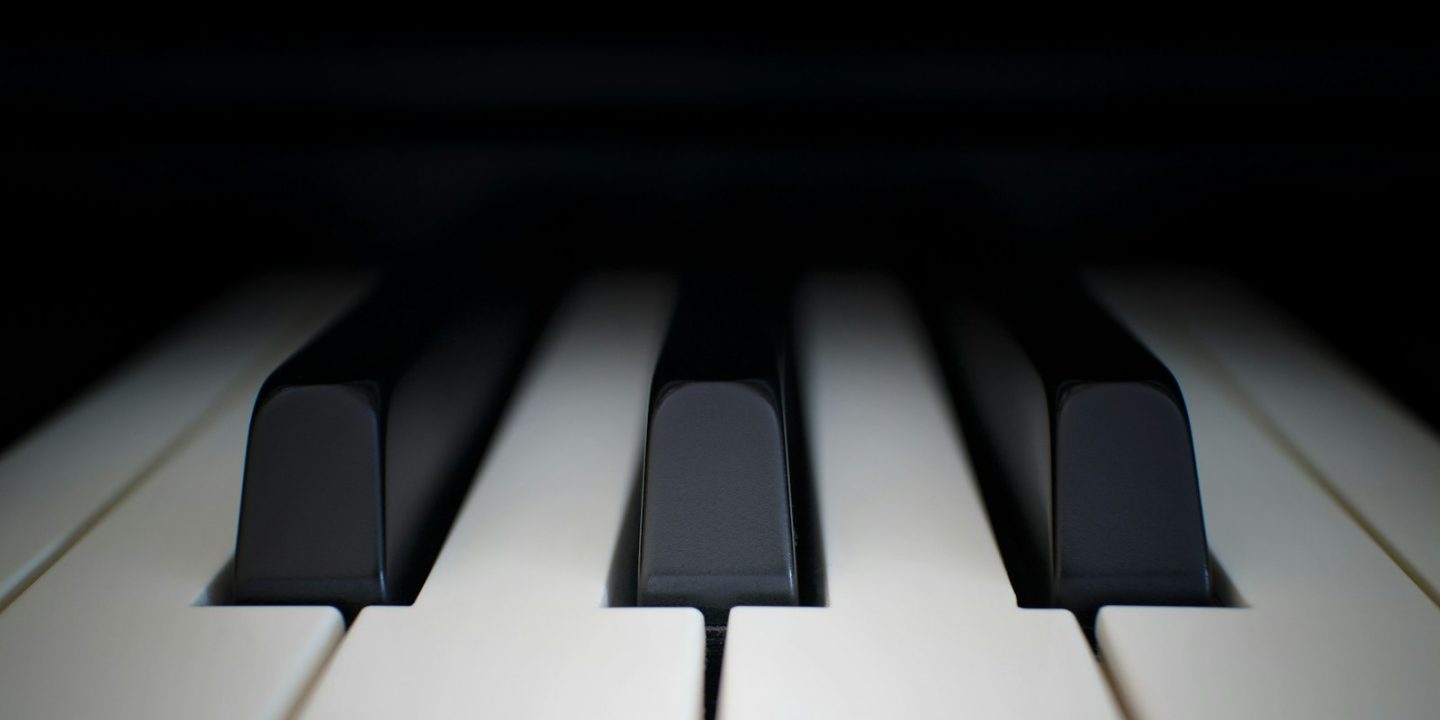
A good digital piano can feel and sound remarkably close to an acoustic one. It also has a headphone socket, never needs tuning and fits in a flat. Below €1,000 you’ll mostly find “compact” or portable models: an 88-key instrument with weighted keys, built-in speakers and a sustain pedal. Many European shops sell them as a “home set”, with a matching stand and pedal unit that makes them look and feel like furniture.
Key action matters most. That’s how the weighted keys respond under your fingers, and it decides whether your practice carries over to a real piano. Sound and speakers come second, and features third. Prices below are for home sets from European retailers in October 2026, so the stand and pedals are included.
Our picks at a glance
- Best key actionRoland FP-30X
- Best for practiceKawai ES120
- Best slim designCasio Privia PX-S1100
- Best valueYamaha P-145
Prices are approximate and change often. Ad
1. Roland FP-30X — best key action
If you’re serious about learning or practising piano, the FP-30X is our top pick. Its PHA-4 action is the most highly regarded keyboard feel in this class. It’s and reviewers consistently rate it the strongest feel under €1,000. Bluetooth lets you connect piano-learning apps on a tablet or play backing tracks through the built-in 2 × 11 W speakers.
There are two drawbacks. The speakers sound less full than Kawai’s, and you practically need Roland’s app to use features such as accompaniment. At around €944 for a home set it’s near the top of this budget, but it’s the instrument you’re least likely to outgrow.
Roland FP-30X
Roland's PHA-4 action is the best-regarded keyboard feel in this class, with Bluetooth and app support.
- Keys
- 88, PHA-4 action
- Speakers
- 2 × 11 W
- Connectivity
- Bluetooth
Pros
- Best-regarded action under €1,000
- Bluetooth and app support
Cons
- Speakers less full than Kawai's
- App practically needed for accompaniment features
2. Kawai ES120 — best alternative for practice
Kawai is a traditional acoustic-piano maker, and the ES120 is its compact contender against the Roland. It uses Kawai’s Responsive Hammer Compact (RHC) action. Its 192-note polyphony means notes won’t cut off when you hold the sustain pedal through busy passages. Many players choose between these two on feel alone, so try both in a shop if you can.
We couldn’t confirm a current EU price at the time of writing, so check current offers. Kawai’s cheaper ES-60 is listed as a home set at around €503, but we haven’t seen enough expert reviews to recommend it yet.
Kawai ES120
Kawai's compact RHC action and deep polyphony make it a strong alternative to the Roland.
- Keys
- 88, Responsive Hammer Compact action
- Polyphony
- 192
Pros
- 192-note polyphony
- Compact RHC action
Cons
- Check current EU availability
3. Casio Privia PX-S1100 — best slim design
The PX-S1100 is remarkably slim. It’s a digital piano you can put in a living room without it dominating the space, and it’s easy to carry to lessons. It also has reverb and surround controls, which add a sense of space when you play through the speakers. At around €779 for a home set it sits between the Yamaha and the Roland on price.
The key tops are textured, which divides opinion: some players like the grip, others find it odd. Try it in person if you’re sensitive to key feel.
Casio Privia PX-S1100
An impressively slim piano that looks good in a living room, with reverb and surround controls.
- Keys
- 88
- Design
- Very slim body
- Effects
- Reverb, surround
Pros
- Slim, stylish body
- Good value
Cons
- Textured key tops divide opinion
4. Yamaha P-145 — best value
The P-145 is the simplest and most affordable piano here. A home set costs around €680. You get Yamaha’s familiar piano tone and clear 2 × 7 W speakers, in an 11.1 kg body that’s easy to move. For a beginner who wants a real 88-key piano without spending €900, it does the job.
The compromises show in the details. The GHS action feels more dated than the Roland’s PHA-4. There are only 10 voices and 64-note polyphony, and the feature set is basic. Stock was patchy at some European comparison sites in October 2026, so check availability before planning around it.
Yamaha P-145
A simple, affordable Yamaha with the brand's familiar tone and clear speakers.
- Keys
- 88, GHS action
- Polyphony
- 64
- Voices
- 10
- Speakers
- 2 × 7 W
- Weight
- 11.1 kg
Pros
- Yamaha tone
- Clear speakers
- Light and simple
Cons
- Basic feature set
- GHS action feels dated
- Stock can be patchy
Compare the pianos
| Model | Roland FP-30XBest key action | Kawai ES120Best for practice | Casio Privia PX-S1100Best slim design | Yamaha P-145Best value |
|---|---|---|---|---|
| TechHive score | 8.8/10 | 8.6/10 | 8.4/10 | 8.2/10 |
| Approx. price | €944 | Varies | €779 | €680 |
| Keys | 88, PHA-4 action | 88, Responsive Hammer Compact action | 88 | 88, GHS action |
| Speakers | 2 × 11 W | — | — | 2 × 7 W |
| Connectivity | Bluetooth | — | — | — |
| Polyphony | — | 192 | — | 64 |
| Design | — | — | Very slim body | — |
| Effects | — | — | Reverb, surround | — |
| Voices | — | — | — | 10 |
| Weight | — | — | — | 11.1 kg |
| Shop Ad | Amazon | Amazon | Amazon | Amazon |
Other models to consider
Each brand also sells siblings to these models. Examples include Yamaha’s P-225, Roland’s cheaper FP-10 and Casio’s PX-S3100. We couldn’t confirm current EU prices and stock for these at the time of writing, so check European retailers before buying.
How to choose a digital piano
Key action first
Look for 88 fully weighted keys with graded hammer action, meaning the bass keys feel heavier than the treble, as on an acoustic piano. That’s what builds finger strength and technique. Reviewers rate Roland’s PHA-4 highly, while Yamaha’s entry-level GHS is often described as dated.
Polyphony
Polyphony is how many notes can sound at once. Using the sustain pedal and layered sounds uses polyphony quickly. 64 notes is the minimum we’d accept. 128 or more, like the Kawai’s 192, is better for advanced repertoire.
Speakers vs headphones
Compact pianos have small speakers, roughly 2 × 7 W to 2 × 11 W in this group. That’s fine for a room at home, but many people practise mostly on headphones anyway. A good pair of headphones can make a mid-range piano sound much better.
Stand and pedals: buy the home set
A proper stand with a three-pedal unit gives the right playing height and stability. European retailers’ “home set” bundles usually cost less than buying the parts separately, and the prices above include them.
Using it as a MIDI controller
Most modern digital pianos connect to a computer over USB, so your piano can double as an 88-key MIDI keyboard for music software. That makes it a great centrepiece for a home studio.
Delivery, warranty and returns
Pianos with stands are bulky. Check delivery costs and the return policy, and remember the two-year EU legal guarantee from the seller.
Digital or acoustic?
A good acoustic upright still has a richer, more complex sound and a more nuanced feel. But it costs several times more than these instruments, needs regular tuning and is hard to move. It also can’t be played silently. For most beginners and returning players, especially in flats with neighbours, a digital piano with a good weighted action is the more practical choice. Headphones let you practise late at night, and a USB connection opens up learning apps and recording.
If you’re a child’s parent, think about the long term. A child who makes good progress will benefit from the best action you can afford. That’s why we rank the Roland FP-30X first, even though it costs more than the Yamaha.
Which digital piano should you buy?
- You want the best playing feel under €1,000: the Roland FP-30X.
- You prefer Kawai’s touch, or play a lot with the sustain pedal: the Kawai ES120, with 192-note polyphony.
- Space and looks matter: the Casio PX-S1100, the slimmest piano here.
- You want the lowest price for a real 88-key piano: the Yamaha P-145, if it’s in stock.
Trying before you buy
Key action is personal. If you can, visit a music shop and play the Roland, Kawai and Casio side by side. Most large European music retailers have showrooms. If you buy online, check the return conditions and keep the original packaging until you’re sure. Returning a heavy, bulky piano is much easier in its original box.
How we choose
We compared the current line-ups from Roland, Yamaha, Casio and Kawai using expert buying guides and reviews. We checked home-set prices at European music retailers in October 2026. We haven’t played these pianos in our own studio. Our ranking reflects reviewer consensus on key action, sound and value, and we list each model’s weaknesses. Read about how we research.
FAQ
Is a digital piano under €1,000 good enough for lessons?
Yes. A weighted 88-key model like the Roland FP-30X or Kawai ES120 is a solid instrument for beginners and intermediate players.
Roland FP-30X or Yamaha P-145?
The Roland has the better-regarded action, more powerful speakers (2 × 11 W vs 2 × 7 W) and Bluetooth. The Yamaha costs about €260 less as a home set. If you can afford it, the Roland is the better long-term instrument.
Do I need a stand and three pedals?
A stable stand at the right height is important for good posture. Beginners can start with the included sustain pedal, but a three-pedal unit is useful for classical repertoire.
Can I connect a digital piano to my computer?
Yes. Modern digital pianos such as the Yamaha P-145 (USB-B) connect over USB, so you can use learning apps, record MIDI or play virtual pianos in music software.